Low Back Pain That Keeps Coming Back: The Pelvic Floor Connection
Better for a few weeks, then it flares again when you lift a laundry basket or sit through a long meeting. Recurring low back pain is rarely random. Very often, the pelvic floor is part of the pattern nobody has checked.
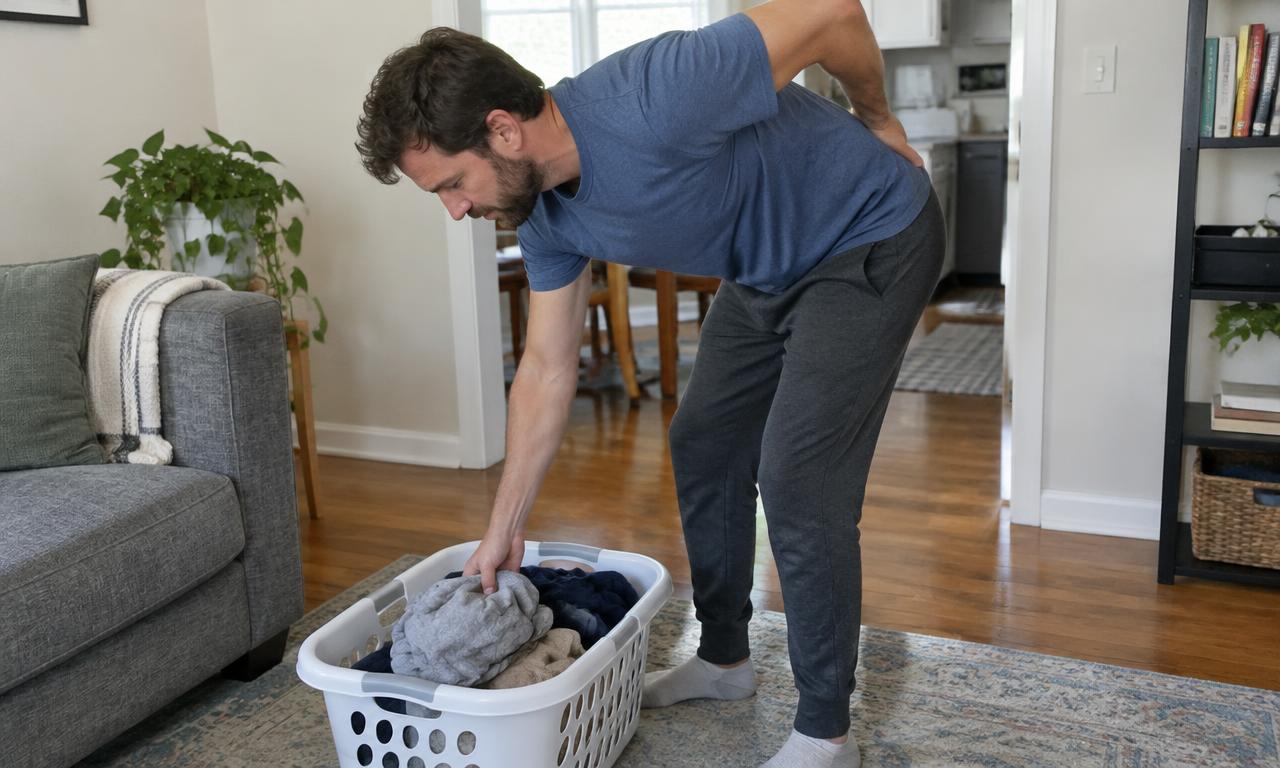
Your back doesn’t work alone
The pelvic floor, the deep abdominals (transversus abdominis), the small spinal muscles (multifidus) and the diaphragm work as a team to control pressure inside your trunk. Research shows people with low back pain often have altered activity in this system. If one member is weak, late or gripping, the back takes more load than it should.
Signs it may be more than “just your back”
- SI joint or one-sided low back pain, especially after pregnancy
- Back pain alongside leaking, urgency, constipation or painful sex
- Pain that flares with lifting, coughing or straining on the toilet
- You have done core work and back exercises, and they have not stuck
- You hold your breath or brace hard every time you pick something up
How I assess it
A full orthopedic exam of the spine, hips and pelvis, plus how you breathe and brace. Real-time ultrasound (RUSI) biofeedback lets us watch your deep abdominals and pelvic floor fire on screen, so we can see whether they are switching on at the right time — or not letting go.
What treatment looks like
Manual therapy to calm the irritated area, retraining the timing of the deep core and pelvic floor, breathing and pressure management for lifting, and graded strength work so you can trust your back again. As a Board Certified Orthopedic Clinical Specialist (OCS) with pelvic health training, I treat both sides of the problem in the same session.