Pelvic Floor Therapy for Pelvic Pain Conditions
Learn how pelvic floor physical therapy can help manage and treat pelvic pain conditions.
What is Pelvic Floor Physical Therapy?
PELVIC PAIN:
Pelvic Floor Physical Therapy is a clinical treatment adjunct for a range of pelvic health issues.
One of the most common diagnosis I see in pelvic floor PT is pelvic pain. Pelvic pain can show up in a multitude of ways, including bladder pain, anorectal pain, abdominal pain, low back pain, tailbone pain, and deep pelvic pain.
SYMPTOMS OF PELVIC PAIN:
Symptoms often include pain that may be cyclical (with menstrual cycle), pain associated with bladder filling (Interstitial Cystitis/Bladder Pain Syndrome), pain with sexual activity (superficial or deep dyspareunia), pain with bowel movements (obstructive defecation/dyssynergic defecation/obstructive outlet syndrome), bladder urgency and frequency, pain with sitting (also numbness/burning/other paresthesia if associated with Pudendal Neuralgia), tailbone pain, low back pain, etc
COMPLEXITY OF PELVIC FLOOR DYSFUNCTION
Pelvic pain is complex. The pelvis holds a bunch of systems, and dysfunction in any of these symptoms could lead to pelvic pain. The pelvic floor muscles respond to these system dysfunctions. This causes the pelvic floor muscles to become tight and tense. The tension compromises vascular flow, and decrease in blood circulation by as little as 15-20% can cause increase in baseline tension in the muscles by up to 80%.
Would your jaw hurt if you kept it clenched all the time? That's exactly what happens to your pelvic floor muscles. Prolonged persistent clenching, in response to systems dysfunction, creates this soreness in the muscles.
TREATMENT OPTIONS IN PELVIC FLOOR PHYSICAL THERAPY
Pelvic floor consists of various types of interventions including manual therapy, therapeutic exercises and activities, pelvic wand or dilator therapy, neuromuscular re-education, breathing strategies including optimal diaphragmatic breathing coordinated with exercises and activities, pressure management strategies, bladder and bowel health education, sexual intimacy education, modalities including e-stim and IFC, and biofeedback such as RUSI (real-time ultrasound imaging).
WHAT IS MANUAL THERAPY?
Patients are often curious about manual therapy, so let me explain that a little:
Manual therapy can be internal or external.
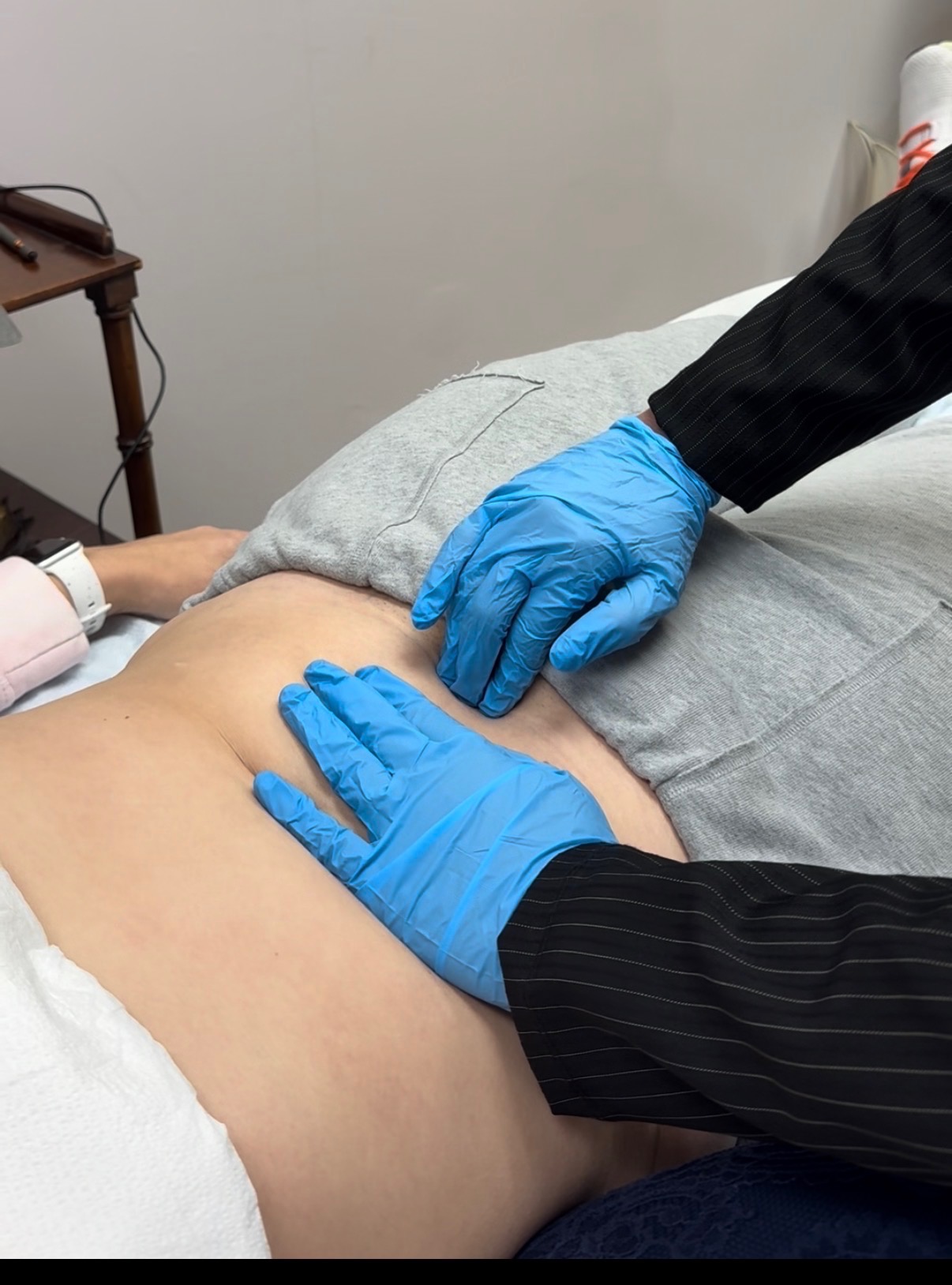
External therapy examples are myofacial release, connective tissue mobilization, visceral mobilization, cupping, skin rolling, tissue gliding and slacking, etc
Internal manual therapy is vaginal and/or rectal depending on pt symptoms, can be bimanual, can be combined with joint movements.
I transition most patients to a home program once their pan is less than 3/10, after they have used the wand or dilator in my presence and when we both are confident on how to use it
All of this is manual therapy, and it has to be extremely nuanced and really curated to the patient in front of you. There is NO cookie-cutter approach as every case of pelvic pain is unique and has very specific requirements and pathways to approach and manage this pain. I use all these strategies in combination, and patients get the best outcomes when the therapy meets them where they are.
HAVE YOU TRIED PELVIC FLOOR THERAPY FOR PELVIC PAIN?
Pelvic floor physical therapy is a valuable adjunct to management of pelvic pain, and often a game changer. I always keep getting patients who have tried everything under the sun, and the only thing that eventually helps them is pelvic floor therapy. We often see that even after the underlying systems issue is corrected, it takes a little extra effort to help the pelvic floor settle down. And this, is the fundamental role of the pelvic floor therapist. To help the pelvic floor settle down and function like it should: recruit when we need it to, and back off once that demand is met.
LET US KNOW IF YOU HAVE ANY QUESTIONS ABOUT PELVIC FLOOR PHYSICAL THERAPY
FIND US AT www.pelvicptplus.com
Note: this article is for general education purposes only and not intended as medical advice.
#pelvicfloortherapy #pelvicfloorphysicaltherapy #pelvicpain #pelvicfloorspecialist #pelvicfloorpt #pelvicfloortherapynearme #pelvicfloortherapist #pelvicpain #manualtherapy