Jaw Clenching and Pelvic Tension: The TMJ–Pelvic Floor Connection
I ask almost every pelvic pain patient about their jaw. The answer is often a surprised “How did you know?” Clenching, grinding, a clicking jaw, headaches — they show up together with a tight pelvic floor far more often than chance would explain.
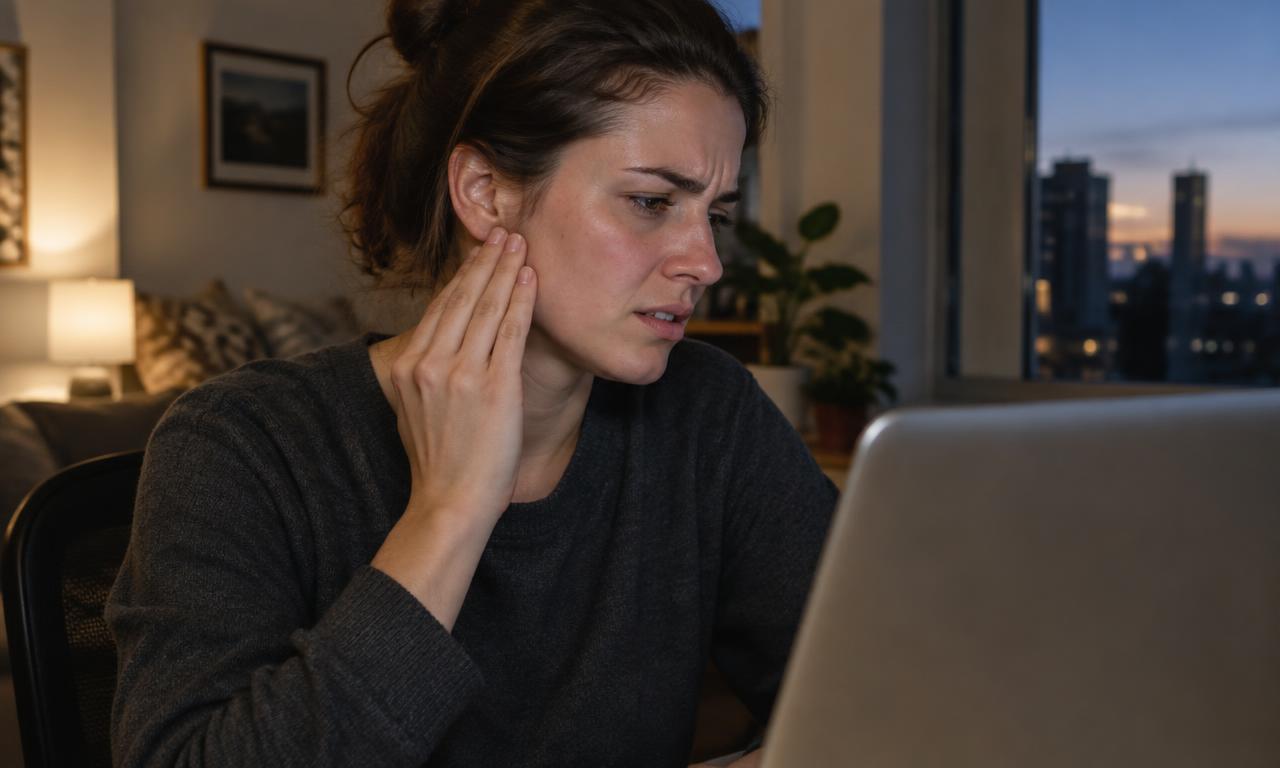
Why the jaw and pelvis tense together
Both are areas the body braces when it is under stress. They are also linked through posture, breathing and the deep fascial lines that run from the head to the pelvis. Studies have found higher rates of jaw dysfunction in people with pelvic pain conditions, and in practice I see the pattern every week: when one relaxes, the other often follows.
Do you recognise this?
- Clenching or grinding, especially at night or when concentrating
- Jaw clicking, tightness, or tired jaw muscles in the morning
- Tension headaches or neck pain alongside pelvic pain
- A pelvic floor that feels like it never lets go
- Shallow chest breathing and holding your breath when stressed
How I work with it
I assess breathing, neck and jaw posture, and how your jaw and pelvic floor respond together. Treatment can include gentle jaw and neck release, diaphragmatic breathing that lets the pelvic floor drop and relax, and simple cues you can use at your desk or before bed. For pelvic pain patients, adding jaw awareness is often what makes pelvic relaxation finally click.
If you have significant TMJ dysfunction, I coordinate with your dentist or TMJ specialist — this work complements theirs rather than replacing it.
Try this now
Let your tongue rest on the roof of your mouth, teeth slightly apart, lips together. Take a slow breath into your belly and feel the pelvic floor soften as you breathe in. Many people notice both areas let go at once.