TMJ and Pelvic Pain: Why Your Jaw and Pelvic Floor May Be More Connected Than You Think
Jaw pain and pelvic pain sound like they live at opposite ends of the body. But I see them together in my clinic more often than you might expect—and new research suggests that is not a coincidence. Your jaw and your pelvic floor are both part of a complex network of muscles, fascia, nerves and postural relationships.
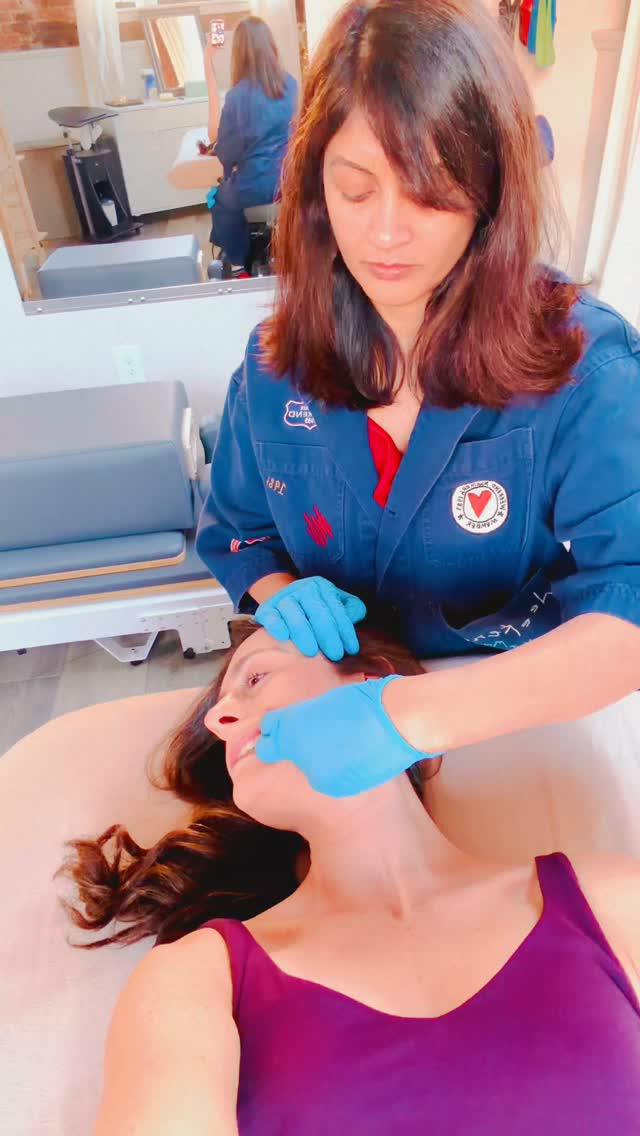
Two areas, one connected system
Think of your body like a spider web. Pull hard on one strand and the tension travels. When one area develops chronic tension, pain or poor coordination, other regions may also be affected. Many people clench their jaw and grip their pelvic floor at the same time—often without realizing it—especially under stress.
Temporomandibular disorders (TMD) affect the jaw joint and chewing muscles. Chronic pelvic pain can involve the pelvic floor muscles, bladder, bowel, or pain with sitting or intimacy. Both are considered "chronic overlapping pain conditions": they show up together more often than chance alone would predict.
Watch: the TMJ–pelvic pain connection on Instagram
What the newest research shows
More severe jaw symptoms, more pelvic pain
In a 2026 study of 790 women aged 18–65, Mignoni and colleagues found that chronic pelvic pain became more common as TMD symptoms became more severe. Compared with women without TMD, women with mild TMD had about twice the prevalence of chronic pelvic pain, and women with moderate or severe TMD had nearly four times the prevalence. Women with both conditions also reported more anxiety symptoms and urinary complaints.
Mignoni et al. (2026): Chronic pelvic pain prevalence and TMD severity
Sensitization and stress may be part of the link
A second 2026 study by Perez-Dominguez and colleagues looked at 133 adults. Jaw-region pain was associated with pelvic pain at first glance. Once the researchers accounted for stress and central sensitization–related symptoms, those two factors were more closely tied to pelvic pain than jaw status alone. People who had both jaw and pelvic pain carried the highest sensitization and stress scores, and the lowest quality of life.
Perez-Dominguez et al. (2026): TMD, pelvic pain and central sensitization
What these studies cannot tell us
Both studies are cross-sectional—a snapshot in time. They show that jaw and pelvic pain travel together; they do not prove that one causes the other, or that treating one will fix the other. Longer-term studies are still needed. What they do support is looking at the bigger picture instead of one body part at a time.
Why might they be linked?
- Central sensitization: a nervous system that has been in pain for a long time can turn up the "volume" on signals from many areas—like a smoke alarm that goes off for toast.
- Altered pain processing: how the brain and spinal cord filter pain can change across regions, not just in one spot.
- Stress-related muscle guarding: clenching your jaw and gripping your pelvic floor are both common protective responses.
- Myofascial dysfunction: tight, tender muscles and fascia in one region can influence posture, breathing and movement elsewhere.
How I treat jaw and pelvic pain together
Treating pain in isolation is not always enough. At Pelvic PT Plus, I perform both extra-oral and intra-oral manual therapy for the TMJ, along with treatment for the neck, shoulders and upper back, alongside pelvic floor care when indicated. It all happens within your full hour, one-on-one with me.
We also work on breathing, down-training muscles that are working overtime, posture and movement habits, and practical strategies to calm a sensitized nervous system. I explain any examination or treatment before we begin, intra-oral or internal work is always optional and done only with your consent, and you can stop at any time.
Everyone responds differently, and pelvic PT does not replace care from your dentist, physician or other specialists. If you live with both jaw pain and pelvic pain, it may be worth looking at how the whole system is working.