What Pelvic Floor PT can do for Endometriosis patients
Living with endometriosis can affect much more than your menstrual cycle. For many people, the condition involves persistent pelvic pain, painful intercourse, abdominal discomfort, bowel and bladder symptoms, and difficulty returning to activities they once enjoyed.
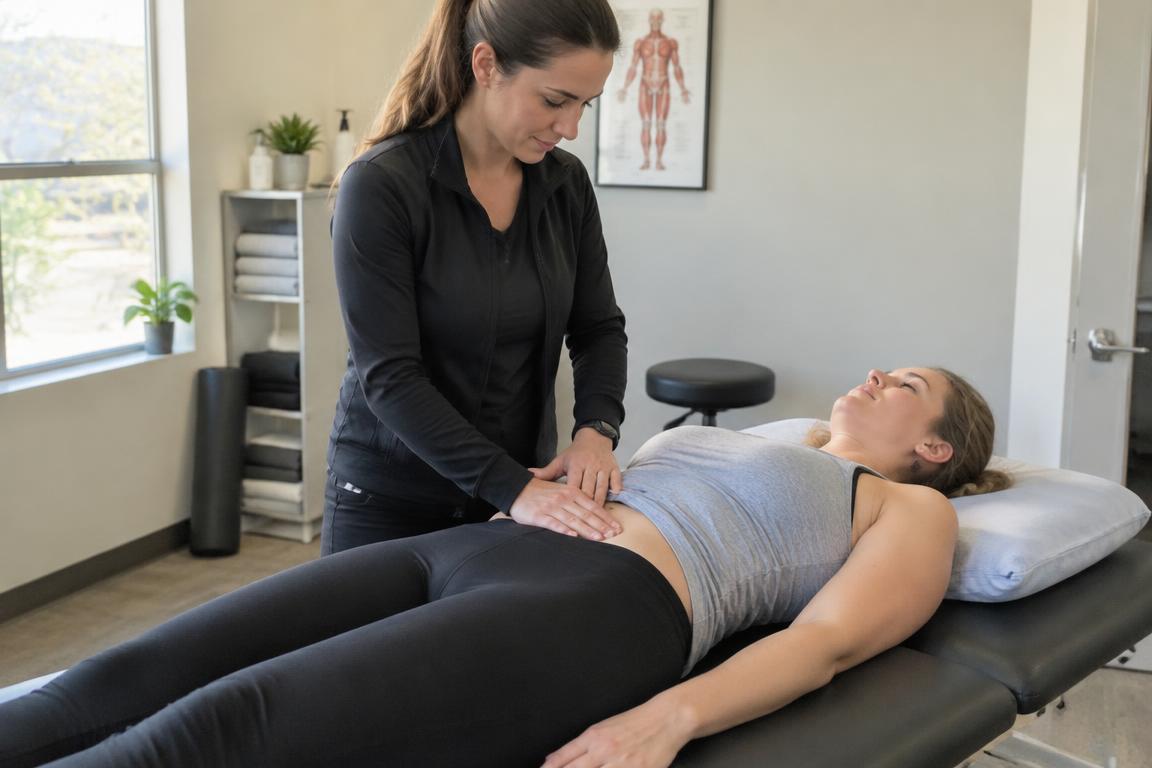
Even after medical treatment or endometriosis excision surgery, some symptoms may persist. One reason is that the muscles, connective tissues, nerves, and surrounding structures of the pelvis can develop their own patterns of dysfunction in response to ongoing pain.
This is where pelvic floor physical therapy may play an important role.
At Pelvic PT Plus in Montclair, New Jersey, we approach endometriosis-related pelvic pain by looking beyond the pelvic floor muscles alone. Understanding how the pelvic floor interacts with the abdominal wall, breathing mechanics, connective tissues, hips, spine, and nervous system allows us to develop a more comprehensive rehabilitation approach.
Understanding the relationship between endometriosis and pelvic floor dysfunction
Endometriosis is a chronic inflammatory condition in which tissue similar to the uterine lining grows outside the uterus. These lesions can develop on pelvic structures, including the ovaries, peritoneum, bowel, bladder, and other surrounding tissues.
Endometriosis can contribute to inflammation, adhesions, and pain. However, the effects of living with persistent pelvic pain may extend beyond the locations of the endometriosis lesions.
When pain occurs repeatedly, the body may respond by increasing muscular activity and guarding surrounding areas. Over time, the pelvic floor muscles may become overactive, tender, less mobile, or unable to relax efficiently.
This does not mean that endometriosis is caused by pelvic floor dysfunction. Rather, pelvic floor dysfunction can develop alongside endometriosis and become an additional contributor to pain and functional limitations.
Some people experience:
- Pelvic floor muscle tension or tenderness.
- Pain with vaginal penetration, intercourse, or pelvic examinations.
- Difficulty relaxing the pelvic floor during bowel movements.
- Pain with bladder filling or urination.
- Lower abdominal, groin, hip, or tailbone pain.
- Difficulty coordinating breathing and pelvic floor movement.
- Reduced tolerance for exercise, prolonged sitting, or everyday activities.
Importantly, not everyone with endometriosis has an overactive pelvic floor. Some individuals experience weakness, reduced muscle coordination, impaired relaxation, or a combination of these findings.
This is why an individualized assessment is essential.
Why can pelvic pain persist after endometriosis surgery?
Endometriosis excision surgery can be an important part of treatment for appropriately selected patients. However, removing endometriosis lesions does not necessarily resolve every contributor to pelvic pain.
Consider what happens when someone experiences pain for months or years.
The abdominal muscles may remain guarded. The pelvic floor may develop increased resting activity. The hips and lower back may adapt to protective movement patterns. Previously comfortable activities, including intercourse, exercise, and bowel movements, may become associated with pain.
Surgery itself can also introduce additional rehabilitation considerations, including incision sensitivity, abdominal wall restrictions, reduced tissue mobility, and changes in movement patterns.
In some individuals, the nervous system may become more sensitive to incoming signals, contributing to pain that persists even when the original tissue irritation has improved.
This is sometimes described as peripheral or central sensitization, depending on the underlying mechanisms.
Pelvic floor physical therapy does not remove endometriosis lesions, treat the underlying disease process, or replace medical and surgical management. Instead, it addresses musculoskeletal and neuromuscular impairments that may contribute to ongoing pain and difficulty returning to normal activities.
How can pelvic floor physical therapy help with endometriosis?
Pelvic floor physical therapy is not simply about strengthening the pelvic floor or performing Kegel exercises.
For someone experiencing endometriosis-related pain, treatment may initially focus on improving muscle relaxation, reducing protective guarding, restoring movement, and improving coordination between the pelvic floor and surrounding structures.
Depending on the individual's examination findings, treatment may include several components.
1. Pelvic floor muscle relaxation and coordination
The pelvic floor is a group of muscles that supports the pelvic organs and contributes to bladder, bowel, and sexual function.
These muscles must be able to contract when needed and fully relax when appropriate.
With persistent pelvic pain, some individuals develop increased resting muscle activity, tenderness, shortened muscle length, or difficulty coordinating contraction and relaxation.
Pelvic floor rehabilitation may include:
- Diaphragmatic breathing and pelvic floor excursion.
- Pelvic floor down-training.
- Gentle mobility and relaxation exercises.
- Neuromuscular reeducation.
- Biofeedback to improve awareness and coordination.
- Strengthening when weakness or impaired support is identified.
The goal is not simply to make the pelvic floor stronger. It is to restore the ability of the muscles to respond appropriately to different activities and demands.
2. Abdominal wall and connective tissue mobility
The abdominal wall plays an important role in breathing, trunk movement, pressure management, and pelvic floor coordination.
People with endometriosis may experience abdominal discomfort, protective muscle guarding, sensitivity around surgical incisions, or restrictions in abdominal wall mobility.
A pelvic floor physical therapist may assess:
- Abdominal muscle tension and recruitment.
- Mobility of the abdominal wall.
- Sensitivity around laparoscopic or other surgical incisions.
- Coordination between the diaphragm, abdominal muscles, and pelvic floor.
- Movement patterns associated with abdominal or pelvic discomfort.
Gentle manual therapy, scar mobilization when appropriate, breathing exercises, and progressive movement may be incorporated into treatment.
3. Visceral and myofascial mobility
The pelvic organs and surrounding structures are supported by connective tissue and fascial relationships that allow movement during normal activities.
Surgical procedures, inflammation, and protective muscular guarding may affect tissue mobility and contribute to discomfort.
Depending on the clinical presentation, specialized manual therapy may address mobility and sensitivity of the abdominal and pelvic soft tissues.
Visceral mobilization is one approach that may be considered as part of an individualized treatment program. It is important to understand that manual therapy cannot remove endometriosis lesions or surgically divide adhesions. Its role is to address relevant musculoskeletal and soft tissue impairments.
4. Hip, spine, and lumbopelvic rehabilitation
Pelvic pain does not always remain confined to the pelvis.
The hips, lumbar spine, sacroiliac region, abdominal wall, and pelvic floor work together during everyday activities.
Some individuals with endometriosis also experience:
- Hip or groin pain.
- Low back discomfort.
- Tailbone pain.
- Pain with prolonged sitting.
- Difficulty with squatting, walking, or exercise.
- Reduced tolerance for physical activity.
A comprehensive physical therapy examination considers these areas rather than assuming that all symptoms originate from the pelvic floor.
Treatment may incorporate hip mobility, lumbopelvic stabilization, movement retraining, progressive strengthening, and activity modification.
5. Nervous system sensitivity and pain regulation
Persistent pain can influence how the nervous system processes sensory information.
Over time, the body may become more protective, responding to activities or sensations that were previously comfortable.
This can contribute to increased sensitivity, muscle guarding, and difficulty returning to normal movement.
Pelvic floor physical therapy may incorporate breathing strategies, graded exposure to movement, relaxation techniques, pain education, and individualized activity progression.
The intention is not to suggest that pelvic pain is psychological or imaginary. Pain is real, and its mechanisms can involve multiple interacting systems.
Understanding these mechanisms can help patients develop strategies to manage symptoms and gradually regain confidence in their bodies.
Can pelvic floor physical therapy help with painful intercourse?
Pain with intercourse, also called dyspareunia, is a common concern among individuals with endometriosis.
Pain may occur at the vaginal entrance, deeper within the pelvis, or throughout penetration. Some people also experience pain with tampon insertion, pelvic examinations, or after sexual activity.
Several factors may contribute, including pelvic floor muscle tenderness, impaired relaxation, tissue sensitivity, restricted mobility, and other gynecologic or musculoskeletal conditions.
Treatment may involve:
- Improving pelvic floor relaxation and coordination.
- Addressing muscle tenderness and myofascial restrictions.
- Gentle external or internal manual therapy when appropriate.
- Breathing and movement strategies.
- Graded desensitization.
- Dilator education and progression when indicated.
- Improving hip and pelvic mobility.
The treatment approach depends on the location and nature of the pain.
Importantly, painful intercourse should never be something you are expected to push through during rehabilitation. Treatment should respect your comfort, consent, and individual goals.
What happens during your first pelvic floor physical therapy appointment?
For many people, the idea of a pelvic floor examination can feel intimidating, particularly after years of painful gynecologic examinations or medical procedures.
Your first appointment should begin with a conversation.
Your therapist will want to understand your endometriosis history, previous surgeries, current symptoms, medical treatment, and how pain affects your daily life.
The examination may include:
- Breathing patterns and diaphragm mobility.
- Abdominal wall mobility and muscle coordination.
- Surgical scar sensitivity and mobility, when relevant.
- Hip, spine, and pelvic mobility.
- Posture and functional movement.
- Pelvic floor muscle activity, coordination, and relaxation.
- Bladder and bowel habits.
An external examination may be sufficient to begin treatment. A vaginal digital pelvic floor muscle assessment may be considered when clinically appropriate and only with your informed consent.
An internal examination is not mandatory for receiving pelvic floor physical therapy. If you are uncomfortable, the examination can be deferred or modified.
What is real-time ultrasound imaging (RUSI) biofeedback, and how can it help?
Real-time ultrasound imaging (RUSI) is a noninvasive biofeedback tool that allows a physical therapist to visualize muscle activity and movement.
Depending on the examination, ultrasound imaging can provide information about:
- Pelvic floor muscle movement during contraction and relaxation.
- Abdominal muscle recruitment.
- Coordination between the abdominal wall and pelvic floor.
- Movement patterns during breathing and changes in abdominal pressure.
Seeing these movements on a screen can help patients better understand their muscle function and improve neuromuscular coordination.
At Pelvic PT Plus, ultrasound imaging may be incorporated into the rehabilitation process when appropriate to provide visual feedback and guide individualized treatment.
Should you start pelvic floor physical therapy before or after endometriosis surgery?
Pelvic floor rehabilitation may be appropriate at different stages of endometriosis care.
Before surgery
Preoperative rehabilitation may help identify existing pelvic floor dysfunction, address movement restrictions, improve breathing and muscle coordination, and establish strategies that can be useful during postoperative recovery.
After surgery
Postoperative rehabilitation may address incision sensitivity, abdominal wall mobility, muscle guarding, pelvic floor dysfunction, and difficulty returning to normal movement.
The timing of rehabilitation depends on the procedure performed, tissue healing, surgeon guidance, and individual symptoms. Treatment should be appropriately modified during the recovery process.
When pain persists despite medical or surgical treatment
Some individuals continue to experience pelvic pain even after receiving appropriate gynecologic treatment. A pelvic floor physical therapy evaluation can help determine whether musculoskeletal or neuromuscular impairments are contributing to their symptoms.
You do not need to wait until every other treatment has failed to explore rehabilitation.
Is pelvic floor physical therapy a replacement for endometriosis treatment?
No.
Endometriosis requires appropriate medical evaluation and management. Depending on your presentation, treatment may include hormonal therapy, pain management, surgery, or other interventions directed by your gynecologist or endometriosis specialist.
Pelvic floor physical therapy serves a different purpose.
It addresses the musculoskeletal, neuromuscular, and functional components of pelvic pain that may coexist with the disease.
The most appropriate approach is often multidisciplinary, with communication between your gynecologist, surgeon, pelvic pain specialist, and pelvic floor physical therapist when indicated.
How do you know if you might benefit from pelvic floor physical therapy?
You may benefit from an evaluation if you have endometriosis and experience:
- Persistent pelvic or lower abdominal pain.
- Painful periods or pelvic pain outside menstruation.
- Pain during intercourse or vaginal penetration.
- Pain with bowel movements or difficulty emptying.
- Urinary urgency, frequency, or pelvic discomfort.
- Hip, groin, low back, or tailbone pain.
- Abdominal discomfort following laparoscopic surgery.
- Difficulty returning to exercise or normal daily activities.
A diagnosis of endometriosis does not automatically mean you have pelvic floor dysfunction. An individualized evaluation helps determine whether physical therapy is appropriate for your particular symptoms.
Pelvic floor physical therapy for endometriosis at Pelvic PT Plus
Living with endometriosis can be physically and emotionally exhausting. After years of managing pain, navigating medical appointments, and sometimes undergoing surgery, finding care that considers the whole picture matters.
At Pelvic PT Plus in Montclair, New Jersey, we provide individualized, one-on-one pelvic floor physical therapy with an emphasis on understanding the relationship between pelvic floor function, abdominal wall mobility, connective tissues, movement patterns, and persistent pelvic pain.
Our approach incorporates specialized manual therapy, neuromuscular reeducation, movement rehabilitation, and real-time ultrasound imaging when appropriate.
Whether you are preparing for endometriosis surgery, recovering after excision, or continuing to experience pelvic pain despite medical treatment, your rehabilitation should reflect your individual history, examination findings, and goals.
Your pain deserves to be understood. Your treatment should be individualized. And your rehabilitation should consider more than just the pelvic floor.
If you are looking for specialized pelvic floor physical therapy for endometriosis in Montclair or Northern New Jersey, contact Pelvic PT Plus to learn more about scheduling an evaluation.
Research and clinical references
- ESHRE Guideline: Endometriosis (2022), Human Reproduction Open.
- Physiotherapy for endometriosis-associated pelvic pain: a systematic review and meta-analysis (2025).
- Comprehensive endometriosis care: a modern multimodal approach for the treatment of pelvic pain and endometriosis (2024).
- Benefits of physical therapy in improving quality of life and pain associated with endometriosis: a systematic review and meta-analysis (2022).
- American College of Obstetricians and Gynecologists (ACOG): Chronic Pelvic Pain patient FAQ.